01 / 03
Civic centers and public buildings
Architecture, plazas, flag and monument areas, entries, and selected landscape can create a formal public welcome while keeping government services accessible.

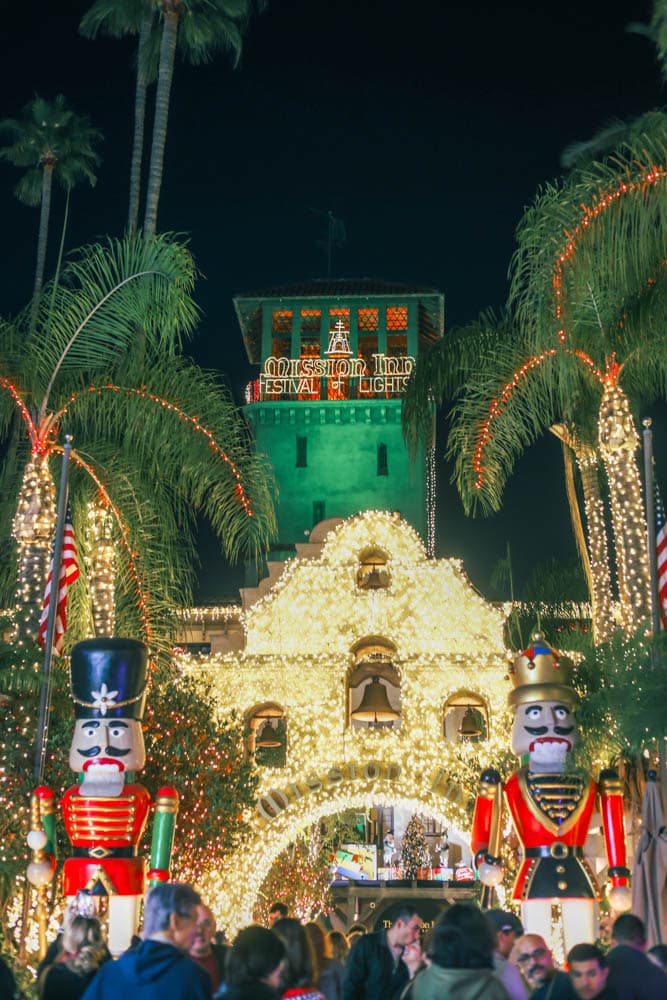
Municipalities & Public Spaces project request
Share the property, working budget, address, and holiday result you want. HLI will review the site details and follow up with the right next step.
Commercial projects begin at $3,000. HLI confirms the final scope and pricing after reviewing the property.
High-volume public viewing
Walk-through and destination installations are planned not only for the hero view, but for approaches, queues, accessible passage, exits, service access, and the way crowds gather around them.
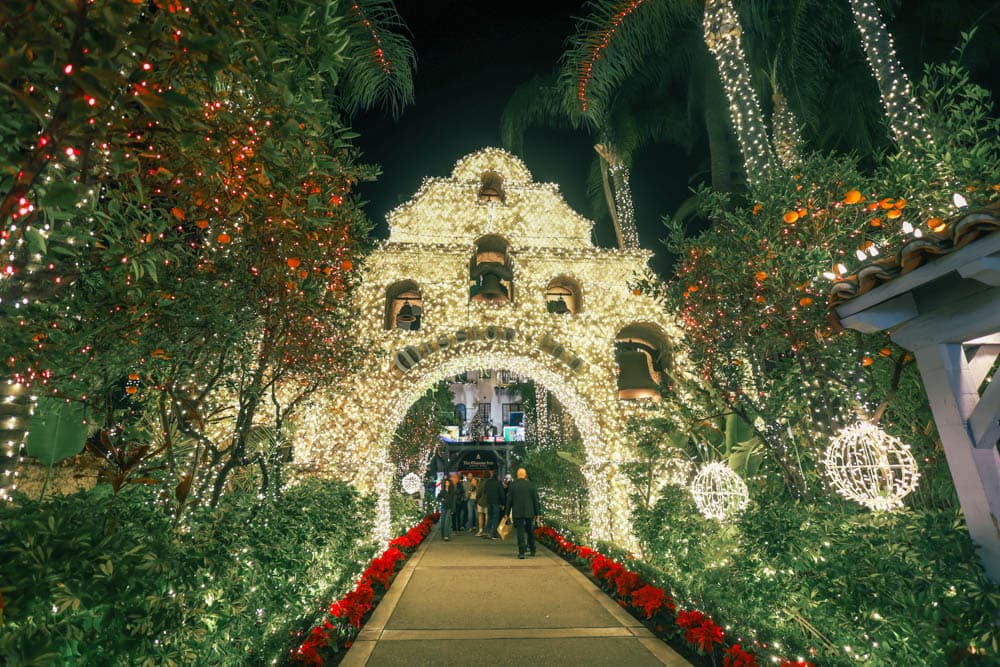
A walk-through holiday landmark designed for high-volume public viewing.
Property-specific planning
Municipal projects may involve a civic campus, downtown corridor, park, community tree, market, parade route, or event series. Each location has its own departments, utilities, traffic controls, landscape responsibilities, public-information needs, and approval path. The concept must be installable within that real framework.
HLI helps turn the desired visitor experience into zones, materials, power assumptions, access needs, maintenance response, and a removal plan. The municipality remains responsible for its procurement, permitting, engineering, public-safety, and site approvals.
One property, one complete program
01 / 03
Architecture, plazas, flag and monument areas, entries, and selected landscape can create a formal public welcome while keeping government services accessible.
02 / 03
Repeated street, tree, or storefront-adjacent elements can connect blocks when utilities, traffic, merchant visibility, and maintenance ownership are clear.
03 / 03
Trees, paths, stages, photo moments, and temporary installations can support programming when crowd, turf, irrigation, weather, and overnight security are planned.
Beautiful through the full season
HLI coordinates design, installation, in-season service, removal, and storage as one complete program, with the property schedule considered from the beginning.
Scope, contracting method, insurance, prevailing requirements if applicable, submittals, inspections, and decision dates need to align with the reveal date.
Accessible routes, crossings, curb ramps, emergency access, traffic sightlines, crowd zones, temporary power, and barriers are reviewed by the responsible authorities.
Weather, irrigation, trees, animals, public contact, vandal exposure, and long operating hours influence materials, attachment, protection, and inspection frequency.
The city identifies who can report, authorize access, control power, close an area if needed, and confirm that an in-season repair is complete.
Municipalities & Public Spaces planning tools
Use HLI's tools to define priorities, compare proposals, and prepare for a more productive property walkthrough.
Explore all resources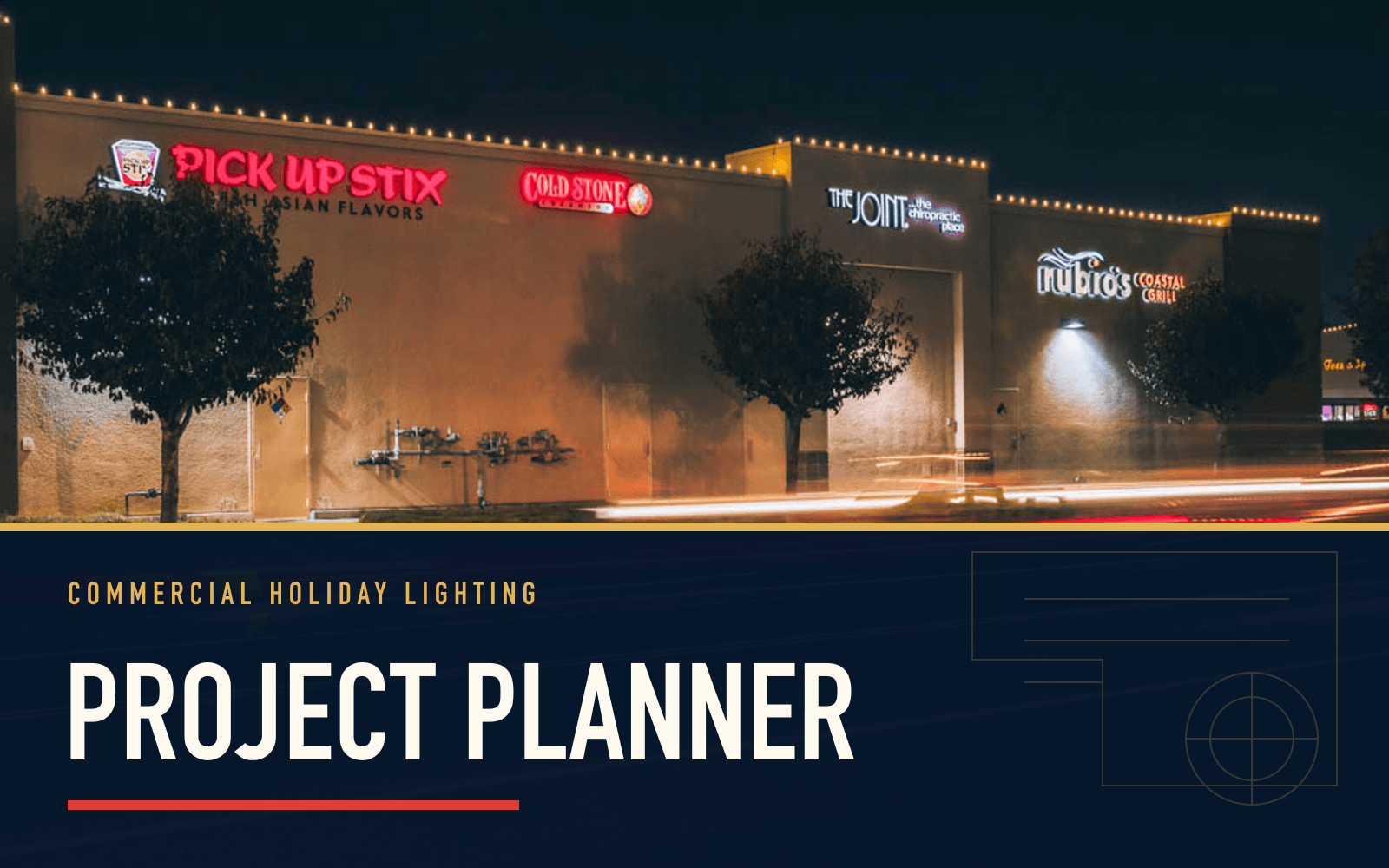
Commercial project tool
A step-by-step planning framework for turning an early holiday display idea into a commercial scope that owners, operations, marketing, and vendors can evaluate.
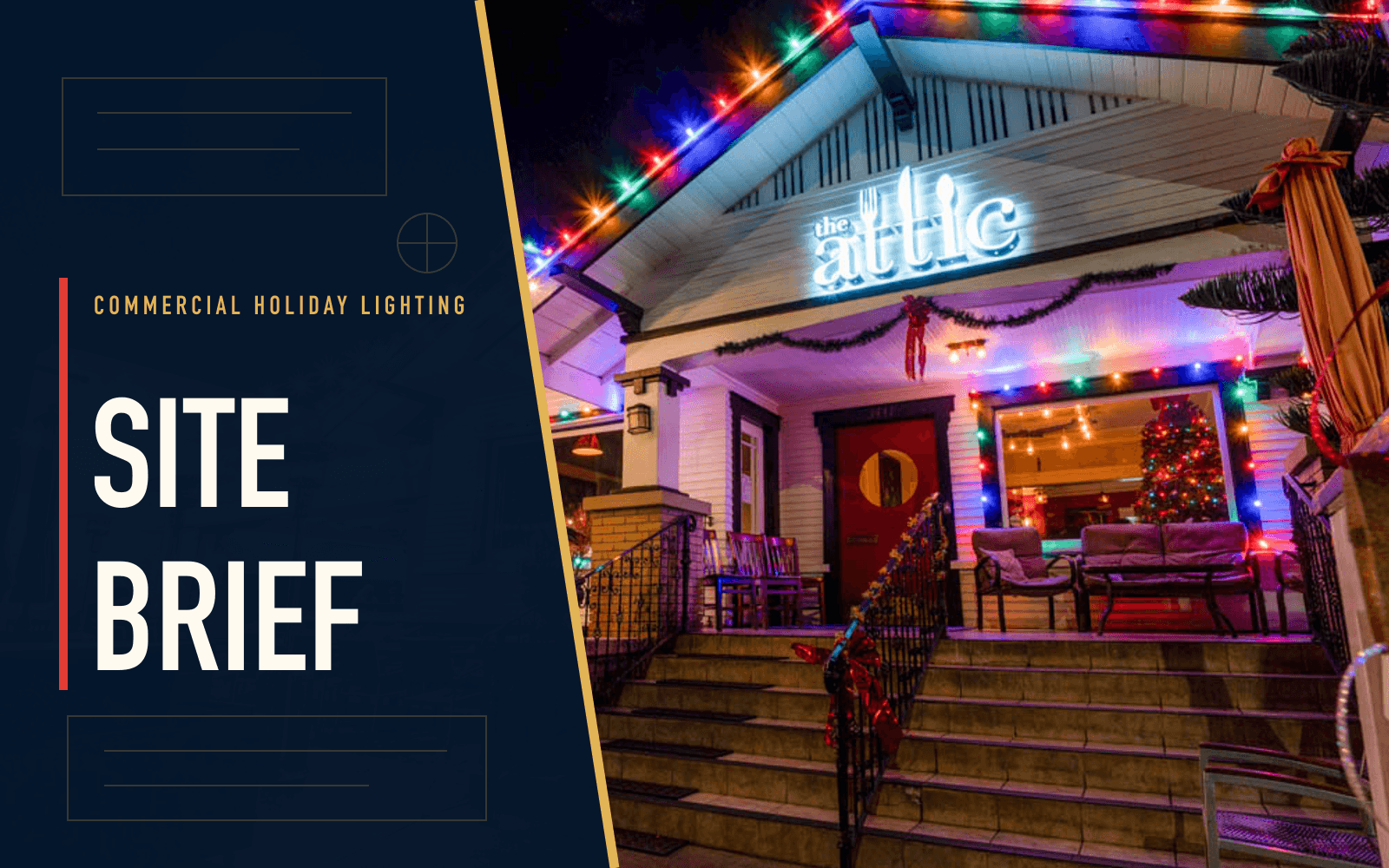
Commercial intake worksheet
A copy-ready intake worksheet that helps a commercial property organize the information a holiday lighting team needs before design and estimating begin.
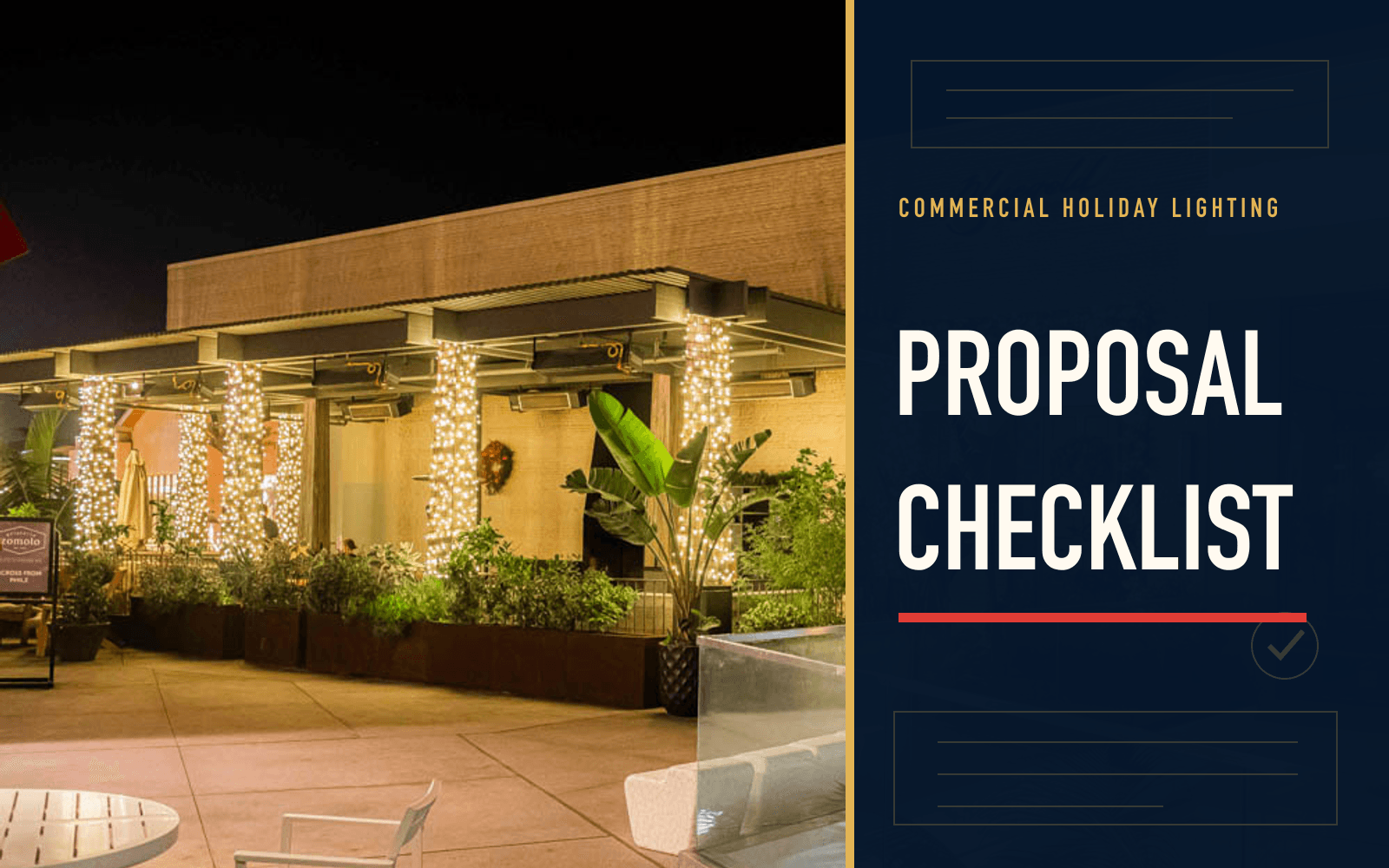
Commercial comparison tool
A practical checklist for comparing holiday lighting vendors and finding the scope differences hidden behind two very different proposal totals.
Municipalities & Public Spaces questions
HLI can provide scope information and coordinate with the municipality's designated team, but the city determines its procurement, permitting, engineering, inspection, traffic, and public-safety requirements.
Yes, when each zone has a site owner, power and attachment plan, access window, maintenance responsibility, budget, and installation priority within one coordinated program.
Reachable components, cords, controls, barriers, anchors, weather exposure, surveillance, overnight security, and inspection frequency should be addressed in the site and safety review.
The lighting program can be sequenced around ceremony production and the remaining public season when stage, crowd, media, vendor, and access requirements are provided early.
Share the public sites, procurement timeline, responsible departments, event dates, safety and access constraints, desired operating season, and budget range.